
Resources
100+ five-star reviews5.0 on Google
Seattle Renovation Tips & Real Project Stories
Real project stories from Seattle homes, plus straight answers about costs, timelines and what we find behind the wall.

September 27, 2026
Case Study
Guest Post
We Weren't Born to Work
We weren't born to work. We were born to survive. Why a Seattle contractor started DuetRight Labs: robots for the repetitive tasks, so people get time back.
Read Post

September 27, 2026
Case Study
Guest Post
The Singularity Needs a General Contractor
Robots are getting easier to build. Getting them to work in a real business is still hands-on, local work. What I believe, as a contractor.
Read Post

September 24, 2026
Case Study
Guest Post
The Story of Chris's Three Bathrooms: A West Seattle Bathroom Renovation
One West Seattle house, three bathrooms, one design. How we rebuilt a basement bath from the slab up and renovated the guest and master baths around it.
Read Post
August 15, 2026
Case Study
Guest Post
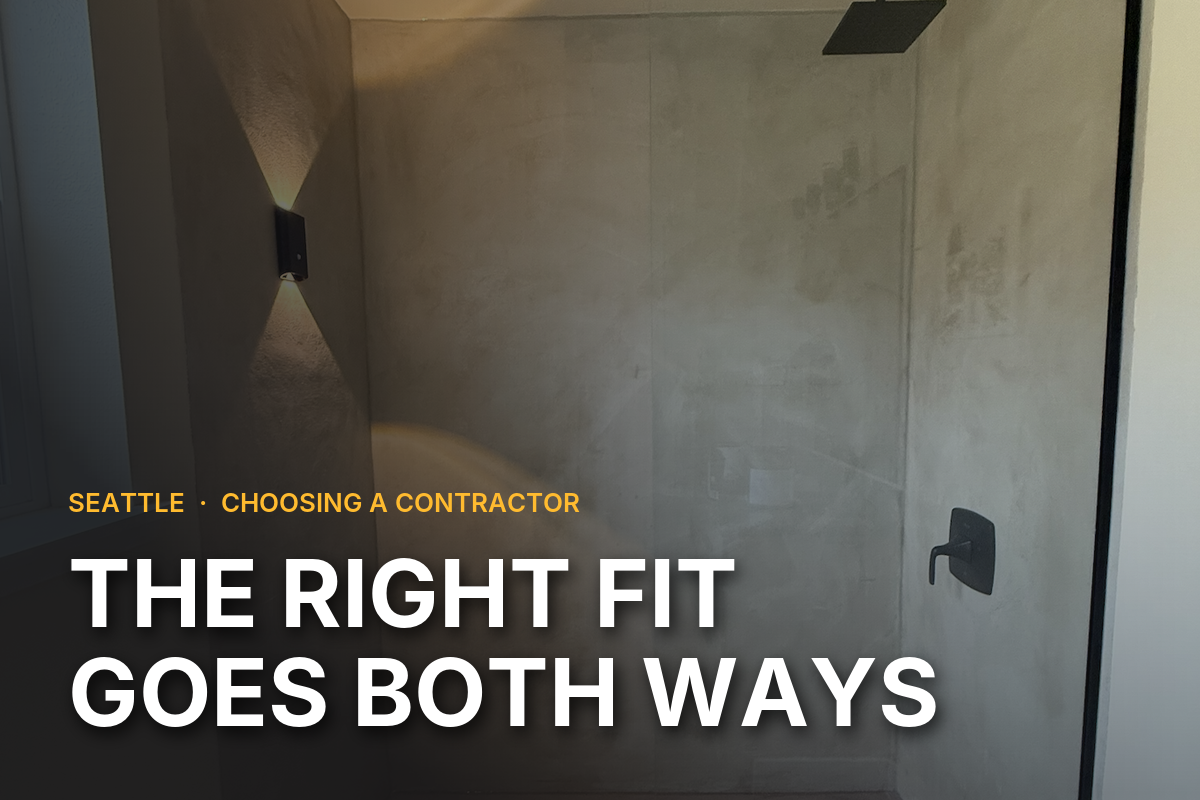
How to Choose the Right Contractor in Seattle: It Goes Both Ways
A successful renovation starts with mutual fit. What Seattle homeowners should expect from a contractor, and what a good contractor needs from a client.
Read Post

August 15, 2026
Case Study
Guest Post
Does Smaller Tile Cost More to Install? 3x6 vs. 3x12
Changing from 3x12 subway tile to 3x6 doubles the piece count. Why a tile size change is a scope, price, and schedule review.
Read Post
August 2, 2026
Case Study
Guest Post
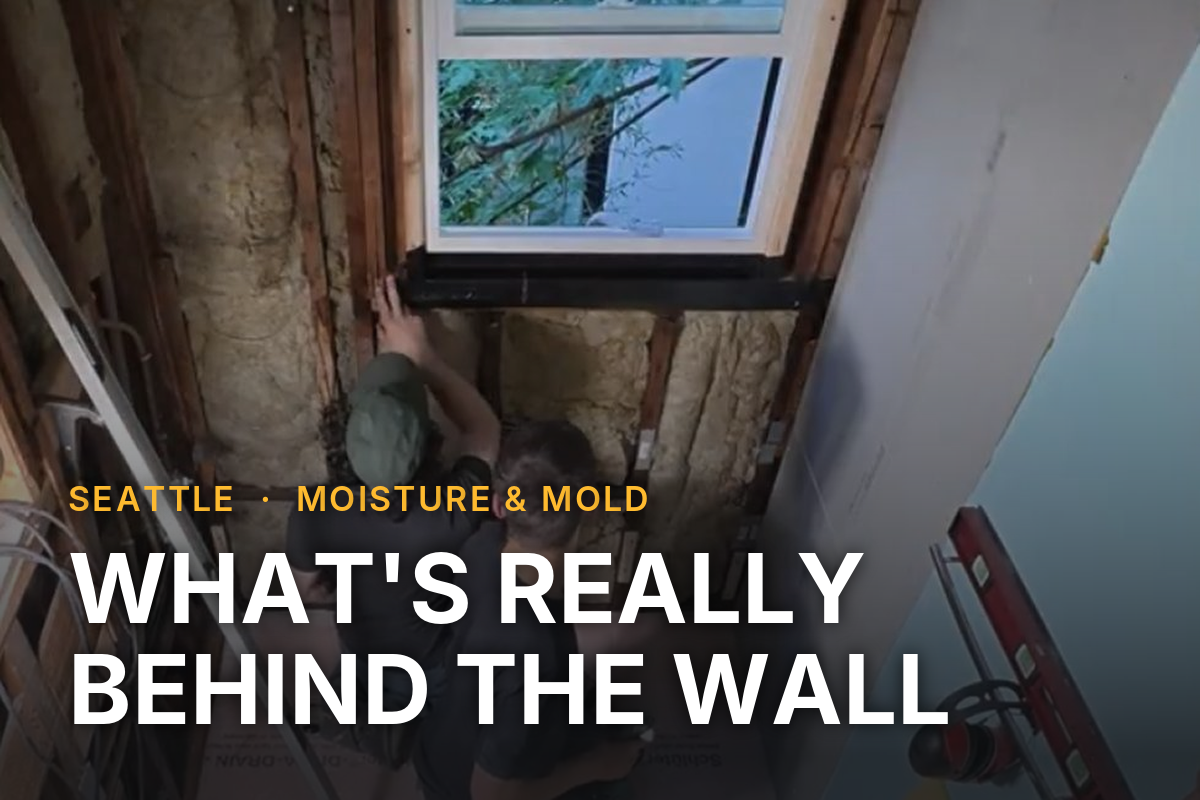
Mold and Your Health in a Seattle Home: What's Real, What's Hype
What mold really means for your health, from a Seattle GC who opens these walls weekly — what the CDC study actually said, where mold hides, and how to fix it.
Read Post
August 2, 2026
Case Study
Guest Post
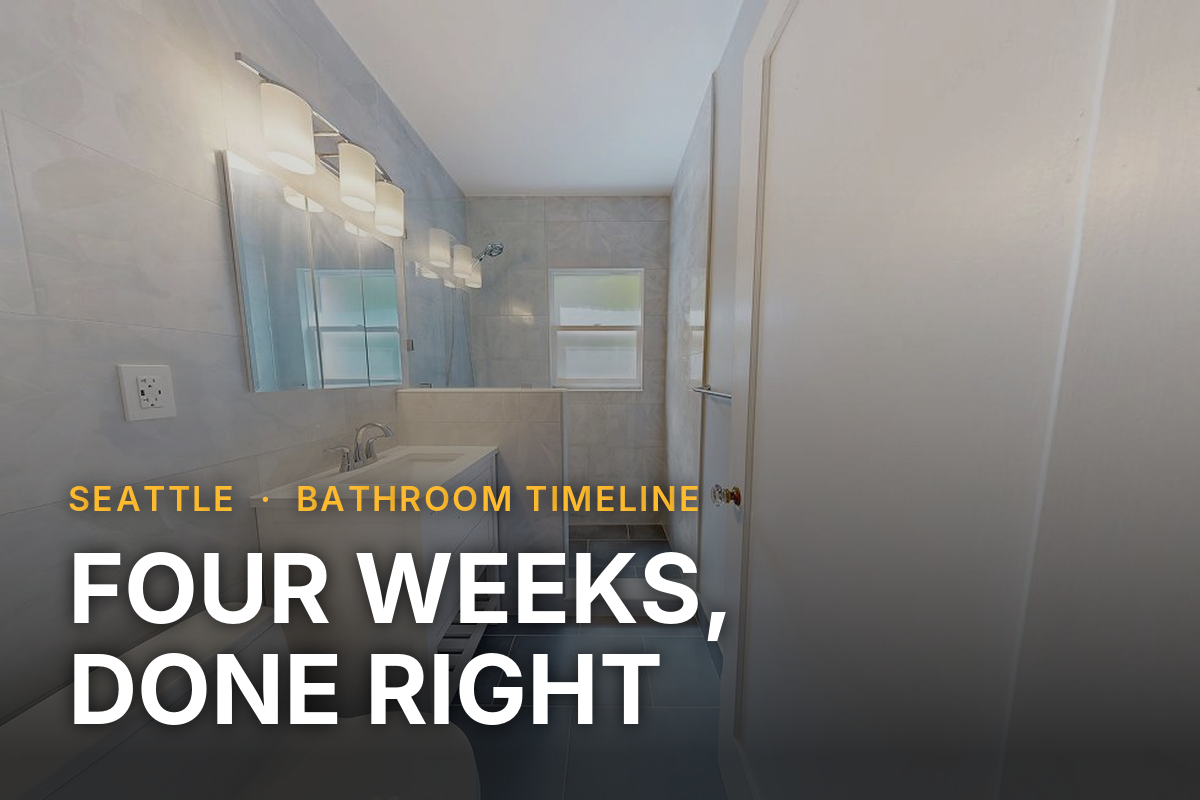
How Long Does a Bathroom Remodel Take in Seattle? (2026 Timeline)
How long does a bathroom renovation take in Seattle? An honest week-by-week timeline — permits, materials, and older-home surprises — from a local GC.
Read Post

August 2, 2026
Case Study
Guest Post
We Built a Fan Page for a Raccoon (and a Game Too)
Jimothy the raccoon lives in Ballard. We gave him a fan page, a sighting map, a field guide, and an endless-runner game called Snack Run. Here's why.
Read Post
July 27, 2026
Case Study
Guest Post
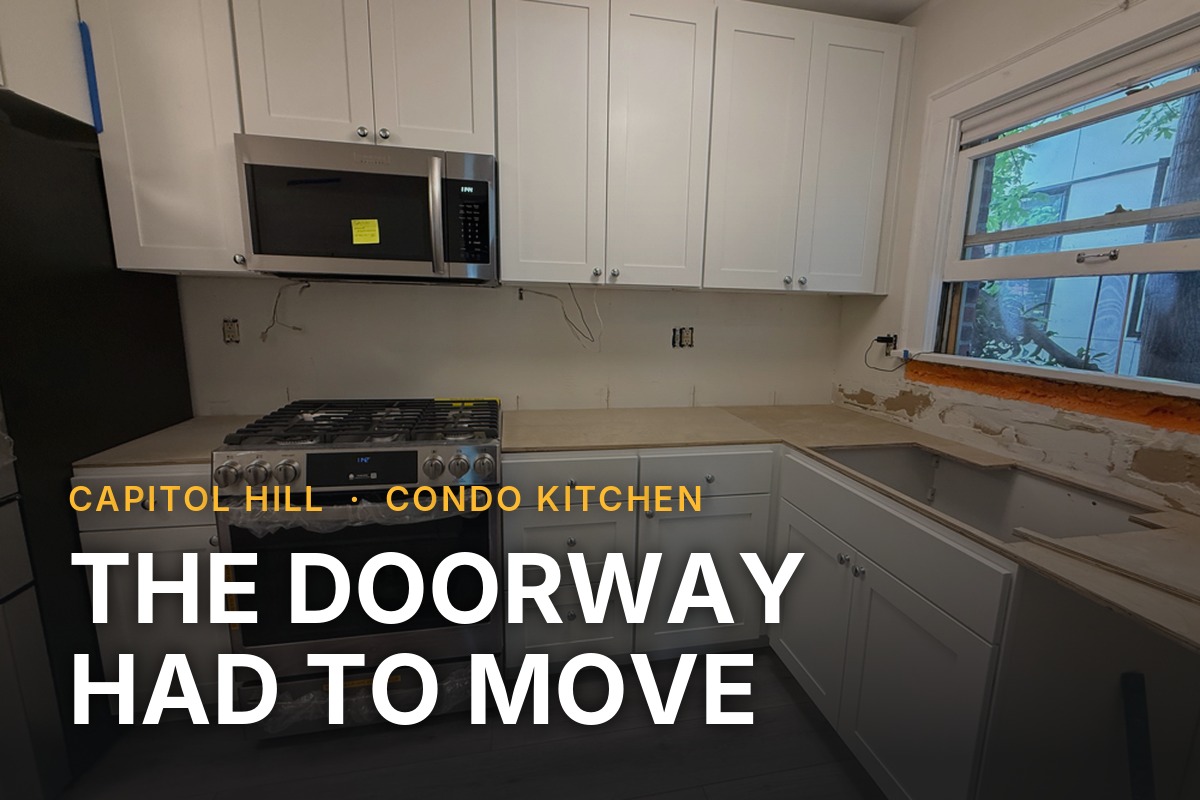
Inside a Capitol Hill Condo Kitchen Renovation: The Doorway Had to Move
A Capitol Hill condo kitchen renovation, photographed during install week: moving a doorway for a full-height pantry, an 18-inch clearance rule, and the eleven outlets a quartz backsplash creates.
Read Post
July 24, 2026
Case Study
Guest Post
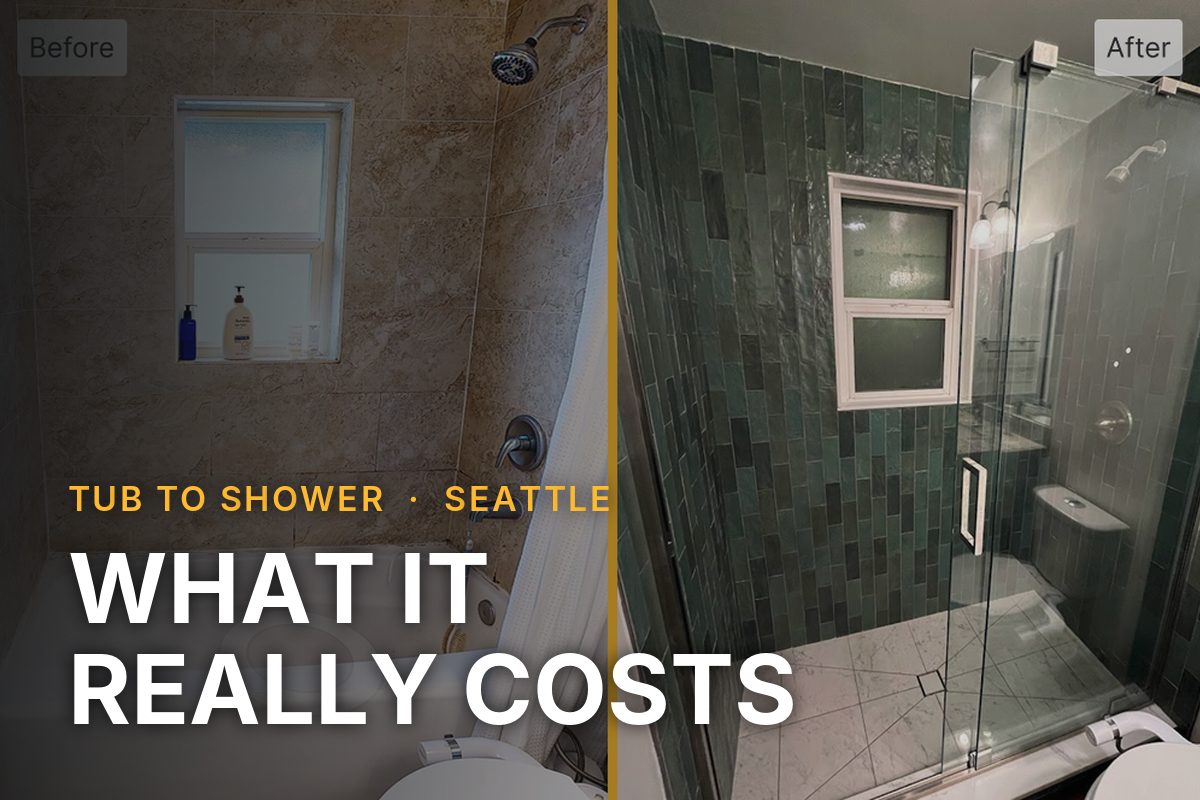
Tub-to-Shower Conversion in Seattle: What It Costs and What to Expect
Swapping a tub for a walk-in shower in Seattle: what's behind the wall, permit rules, how long the crew is in your bathroom.
Read Post
July 6, 2026
Case Study
Guest Post
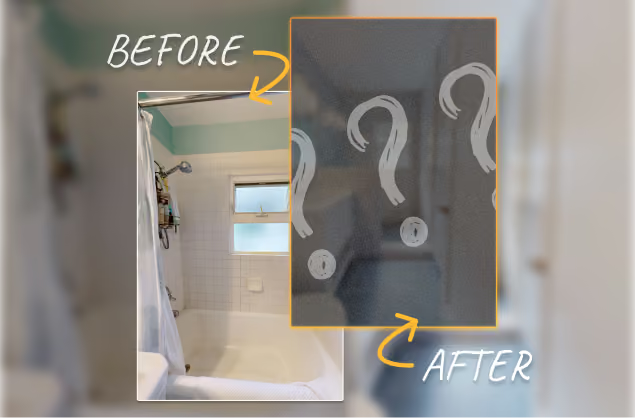
Working With a Client to Reimagine Their Capitol Hill Bathroom In 4 Weeks
A century-old bathroom rebuilt the way its owner imagined it, down to the last tile.
Read Post
June 11, 2026
Case Study
Guest Post
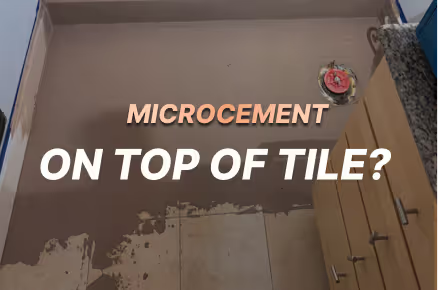
Can You Put Microcement Over Tile?
Here's when it works, when to retile instead, how it's installed, and what it costs.
Read Post
March 5, 2026
Case Study
Guest Post
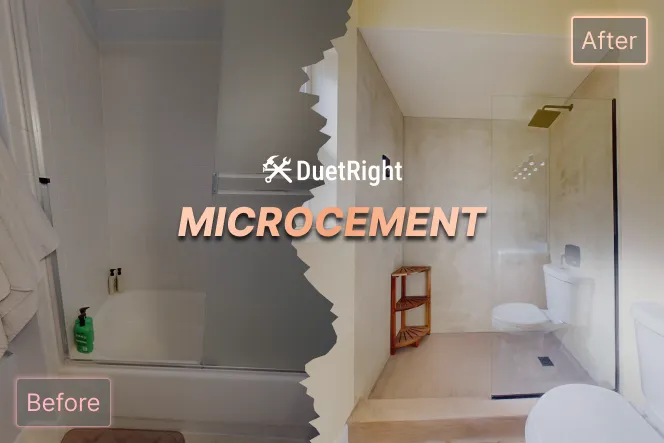
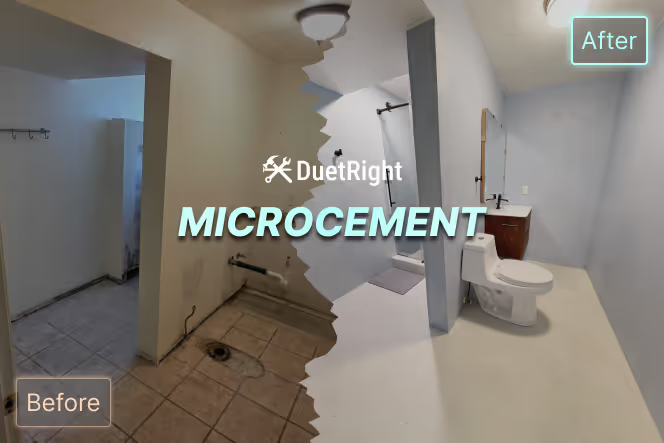
A Magical Microcement Tub-to-Shower Conversion in West Seattle
How a West Seattle property manager turned a failing tub reglaze into a microcement bathroom worth showing off.
Read Post
December 4, 2025
Case Study
Guest Post
Reimagining a Kirkland Bathroom With Microcement
See how microcement can turn a dated bathroom into a seamless, spa-like space that feels brighter, calmer, and easier to maintain.
Read Post
September 4, 2025
Case Study
Guest Post
The Story of Tom's Queen Anne Condo Bathroom Remodel
From an old and cramped Queen Anne bathroom with a trapped water heater to a more spacious, modern design in less than two weeks.
Read Post

September 1, 2025
Case Study
Guest Post
Mold Behind Shower Tiles? Warning Signs, Risks & What Fixing It Costs
How to tell if mold is hiding behind your shower tile, when it's dangerous, and what a proper fix costs in Seattle — from a team that opens these walls weekly.
Read Post
August 8, 2025
Case Study
Guest Post
Our Top 7 Bathroom Upgrades That Don't Require a Complete Overhaul
Thinking about a bathroom upgrade? Learn 7 ways to modernize your space without the cost and headache of a complete overhaul.
Read Post

August 5, 2025
Case Study
Guest Post
Thinking About a One Day Shower Install for Your Seattle Home? Read This First
Can a shower really be installed in one day? What the one-day pitch leaves out, what it costs you later, and when it is actually the right call — Seattle GC.
Read Post
.avif)
July 9, 2025
Case Study
Guest Post
We Had 8 Days to Complete a Spanish Tile Steps Renovation Before Guests Arrived
Could we source the tile, prep the steps, and complete a full Spanish-style transformation in less than a week?
Read Post

June 17, 2025
Case Study
Guest Post
Can You Renovate a Bathroom For Under $10k In Seattle?
You CAN renovate a bathroom for $10,000—but you’ve got to be smart about it.
Read Post

May 12, 2025
Case Study
Guest Post
Modern Luxury in Green Lake: Creating the Ultimate Double Shower Space
See how we turned a cramped Green Lake bathroom into an open, modern space with a resort-style dual shower — and everything we used to do it.
Read Post

February 27, 2025
Case Study
Guest Post
Do You Need a Permit to Remodel a Bathroom in Seattle? 2026 Rules & Fees
Do you need a permit? Same-footprint fixture swaps usually no; moving plumbing, walls, or wiring yes. What SDCI checks, what it costs, and how we pull permits for you.
Read Post

January 13, 2025
Case Study
Guest Post
How Much Does a Bathroom Remodel Cost in Seattle? (2026 Guide)
Real 2026 Seattle numbers from a local design-build team: midrange ≈ $26K, what moves the price from $12K to $90K+, permit fees, and 8 ways to save.
Read Post

December 10, 2024
Case Study
Guest Post
How to Go From Bulky Tub to Sleek Walk-In Shower Without Breaking the Bank
Thinking about replacing your bulky tub with a sleek, walk-in shower? See how one Seattle homeowner transformed their outdated bathroom into a modern, mold-free space built to last.
Read Post

September 25, 2024
Case Study
Guest Post
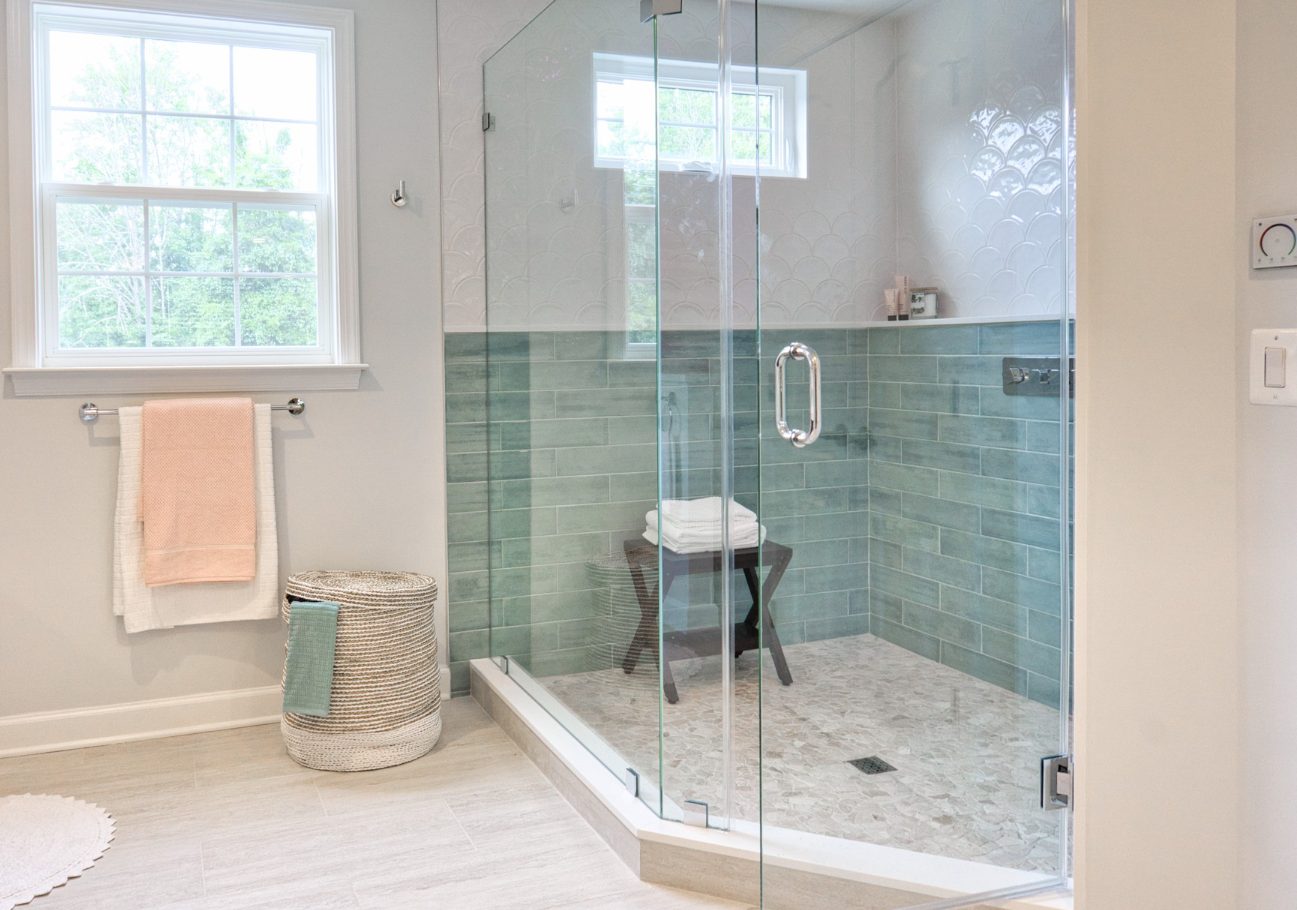
How to Remodel a Moldy, Damaged Shower in One Week
Learn how waterproof materials and expert help can transform your Seattle shower, eliminating mold and water damage in just one week.
Read Post
August 21, 2024
Case Study
Guest Post
The Seattle Homeowner’s Guide to Protecting Your Shower and Saving Money
How to tell if water is getting behind your shower tile — the caulk, grout, and moisture signs to check, what you can fix yourself, and when the wall opens.
Read Post

Ready to start yours?
Tell us about your project. We reply within one business day.